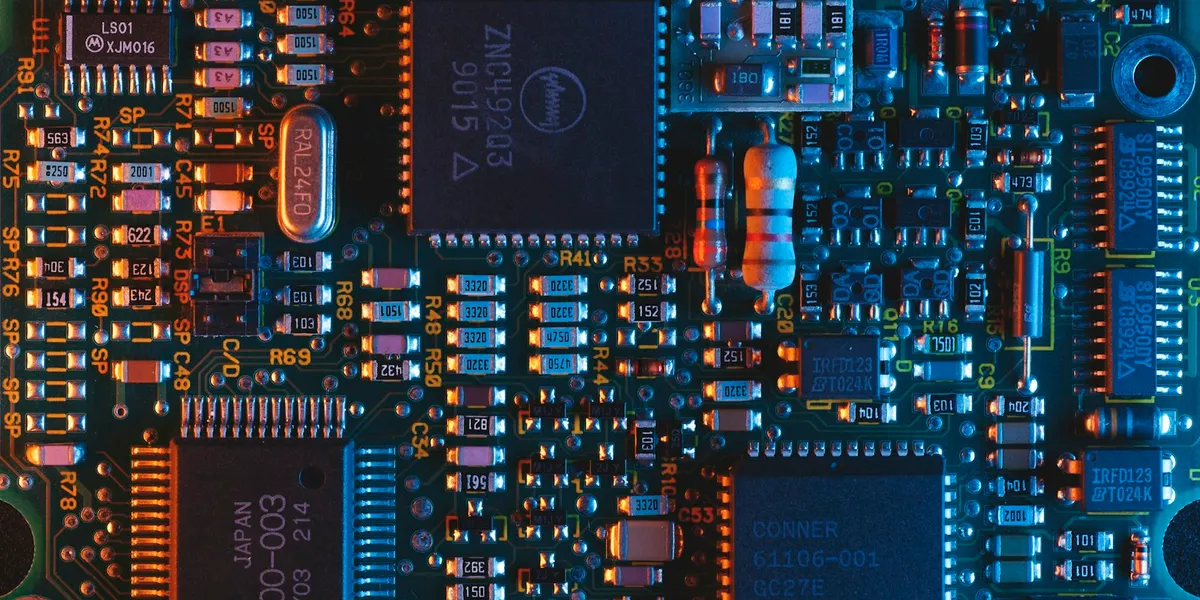
Sourcing electronics is more technically demanding than most product categories — with certifications, intellectual property risks and complex production to manage. This guide covers what you need to source electronics manufacturing successfully and safely.
OEM vs ODM: which model fits?
Two main models dominate electronics manufacturing:
- OEM (Original Equipment Manufacturer) — you provide the design and specifications; the factory builds it to your spec under your brand. Best for proprietary products where you own the design. Requires more engineering input and higher investment.
- ODM (Original Design Manufacturer) — the factory has an existing product design that you customise (branding, casing, minor features) and rebrand. Faster and cheaper to market, but you don't own the core design and competitors may sell similar products.
Many successful products start as lightly-customised ODM to validate the market, then move to OEM as the brand matures.
Certifications are mandatory, not optional
Electronics face strict regulatory requirements, and non-compliant goods are seized at customs. Core certifications include: CE (EU), FCC (US, for radio-frequency devices), RoHS (restriction of hazardous substances), REACH (chemical safety), and UL (US electrical safety). Wireless devices need additional radio approvals. Batteries require UN38.3 transport certification.
Confirm which certifications your specific product and target markets require before production, and verify the manufacturer can actually deliver compliant goods with valid test reports. Budget for certification testing — it's a real cost and timeline factor.
Protect your intellectual property
Electronics IP theft is a genuine risk. Mitigate it: register trademarks and design patents in the manufacturing country before sharing designs; use robust NDAs (enforceable locally); avoid handing over complete designs to a single supplier when possible (split sensitive elements); and work with established, reputable manufacturers with a reputation to protect. Retain ownership of any tooling and moulds you pay for, registered in your name.
Tooling, NRE and unit economics
Custom electronics involve upfront costs beyond the unit price: tooling (injection moulds for casings can cost thousands), and NRE (Non-Recurring Engineering) for custom firmware, PCB design and development. These are amortised across your order volume, so low initial quantities mean high per-unit costs. Understand the full cost structure — a low unit price with huge tooling fees may be worse than a higher unit price with low setup costs for your volume.
Quality control for electronics
Electronics QC is rigorous because defects are often invisible until the product fails. Insist on: a validated engineering/golden sample before mass production; in-line testing and functional testing of every unit (not just samples) for electronics; a pre-shipment inspection including functional testing on a statistical sample; and clear AQL standards with defect classification. Define warranty terms and defect-handling procedures in your contract — for electronics, a small defect rate at scale becomes a significant support burden.
Where electronics are made: Shenzhen and beyond
The Pearl River Delta around Shenzhen and Dongguan remains the world's densest electronics ecosystem — components, PCB fabs, assembly houses, tooling shops and engineering talent within an hour of each other, anchored by the Huaqiangbei component markets. For most consumer electronics, this is still the default starting point.
Diversification is real, though: Vietnam has become a major assembly hub (phones, audio, appliances) as global brands relocate capacity; Taiwan leads in semiconductors and high-end OEM; Malaysia and Thailand are strong in components and sub-assembly; India is growing fast in phone and appliance assembly under production-linked incentives. The catch: outside China, component supply chains often still route through China, so "Made in Vietnam" may shift final assembly more than true dependency. Factor that into tariff and risk planning.
Firmware, apps and after-sales: the long tail
Hardware is only part of an electronics product. Clarify before production:
- Firmware ownership and updates — who owns the source code? Can you flash updates after shipment? An ODM product whose firmware you can't update is frozen the day it ships.
- Companion apps — if the product needs an app, who maintains it, and what happens to your customers if that relationship ends? White-label ODM apps are a common weak point: generic, ad-ridden or abandoned.
- Spare parts and repair — agree availability of key spares (batteries, chargers, remotes) for at least the warranty period.
- Defect handling — define the warranty window, the defect rate threshold, and whether remedies are credit, replacement or repair. For electronics, negotiate 1–3% spare units shipped free with each order to service warranty claims cheaply.