You have a product idea — now you need someone to actually make it. Finding the right manufacturer is the step where most product ideas stall, because the path from sketch to production run is unfamiliar territory. This guide maps that path: defining what you need, finding candidate factories, getting prototypes made, and protecting your idea while you do it.
Decide: custom manufacturing, private label or white label
Before searching for a manufacturer, be honest about how custom your product really is:
- Custom manufacturing (OEM) — a factory builds your original design from scratch. Maximum differentiation, but the slowest and most expensive route: expect tooling costs, engineering iterations and higher minimums.
- Private label — you take a manufacturer's existing product and customise it meaningfully: your formulation tweaks, materials, packaging and brand. The sweet spot for most first-time founders.
- White label — you put your logo on an unmodified stock product. Fastest and cheapest to launch, but competitors can sell the identical item tomorrow.
Many successful brands launch private label to validate demand, then reinvest in custom manufacturing once sales justify tooling. Matching your ambition to your budget here saves months of dead-end factory conversations.
Turn your idea into a manufacturable spec
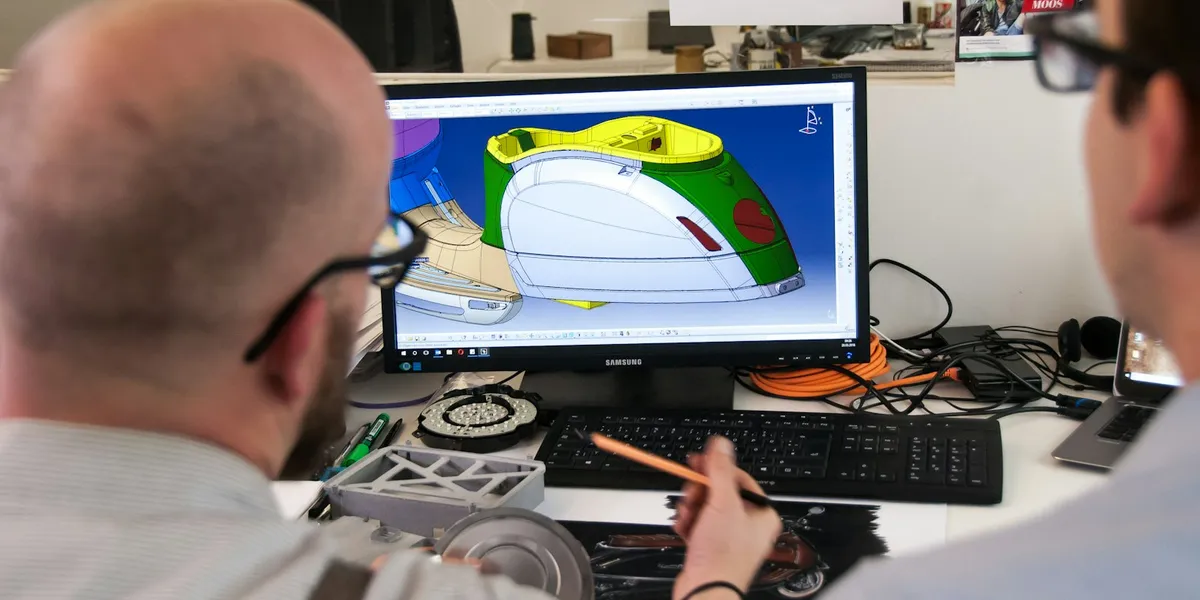
Factories quote specifications, not ideas. Before outreach, produce: drawings or CAD files (even simple dimensioned sketches help), materials and finishes, dimensions and tolerances, target retail price working back to a target unit cost, expected order volume, and any regulatory requirements for your market.
If you can't produce technical drawings yourself, hire a freelance industrial designer or engineer to create them — it typically costs a few hundred to a few thousand dollars and pays for itself immediately in quote quality. For private label, the "spec" is simpler: the base product reference plus your customisations.
Where to find manufacturers
The channels mirror general supplier search, with a manufacturing twist:
- B2B directories — filter by category, country and OEM/ODM capability to build a longlist fast.
- Trade shows — the single highest-bandwidth way to meet factories: you can handle samples, meet engineers and judge professionalism in one afternoon.
- Reverse-engineering competitors — customs import records (for US imports) reveal which factories ship for brands you admire.
- Industry communities — founder groups, subreddits and trade associations regularly share factory recommendations that never appear in directories.
- Sourcing agents — worthwhile for complex products in unfamiliar markets; expect a commission but get local vetting and project management.
Contact 10–15 candidates with a tight RFQ; expect meaningful conversations with five and serious quotes from three.
Qualify before you commit
For each serious candidate, verify: that they actually manufacture (not broker) your product type — ask for a video walkthrough of the line making something similar; their experience with your destination market's compliance requirements; realistic MOQs, tooling costs, sample costs and lead times in writing; and engineering communication quality — can they spot problems in your design and propose fixes? A factory that pushes back intelligently on your spec is worth more than one that says yes to everything.
Run the standard legitimacy checks too: business registry, references, and a third-party audit if the tooling investment is significant.
Prototype, iterate, approve
Expect multiple prototype rounds — first to prove the concept works, then to refine materials, finish and manufacturability. Pay for prototypes without complaint (typically $50–$500 each depending on complexity; often credited against a future order). Test each round honestly, including abuse testing and regulatory pre-checks.
When a prototype is right, freeze it as the golden sample: signed and dated by both sides, referenced in your purchase order as the quality benchmark for mass production. Every future inspection compares against it.
Protect your idea without paranoia
Practical IP protection for a new product: file trademarks in your home market and the manufacturing country early (the latter prevents trademark squatting); consider a design patent if the appearance is distinctive; use an NDA — ideally an NNN agreement (non-disclosure, non-use, non-circumvention) enforceable in the factory's jurisdiction; and pay for your own tooling with written confirmation that you own it and may move it.
Perspective matters: execution, brand and distribution protect most consumer products better than legal paper. The realistic goal is making theft inconvenient and your relationship valuable — a factory earning good margin from a growing customer has little incentive to undercut you.
From first production run to repeatable supply
Keep the first run as small as the factory will allow — even at a worse unit price. Inspect it before final payment, document every issue, and treat the first three orders as an extended trial during which you also qualify a backup factory. Once quality stabilises, negotiate volume pricing tiers and longer payment terms. Suppliers.PRO is building verified manufacturer profiles — registry checks, capability details, MOQs and certifications up front — to compress exactly this search-and-vet cycle. Sign up for early access.