India combines enormous manufacturing breadth with some of the most competitive pricing anywhere — plus English-speaking suppliers and a long export tradition. It rewards buyers who understand its regional clusters and working rhythms, and frustrates those who expect it to work exactly like China. This guide covers where India excels and how to source there successfully.
Why India
India's sourcing advantages are distinctive: English as the default business language, removing a whole layer of friction; craft depth — hand embroidery, block printing, carving, metalwork and jewellery skills that are genuinely hard to find elsewhere; competitive pricing, frequently below China for textiles, leather and labour-intensive goods; and growing government support for export manufacturing (production-linked incentives, improving infrastructure). For buyers diversifying beyond China, India is usually on the shortlist — especially for natural materials and artisanal products.
What India makes best
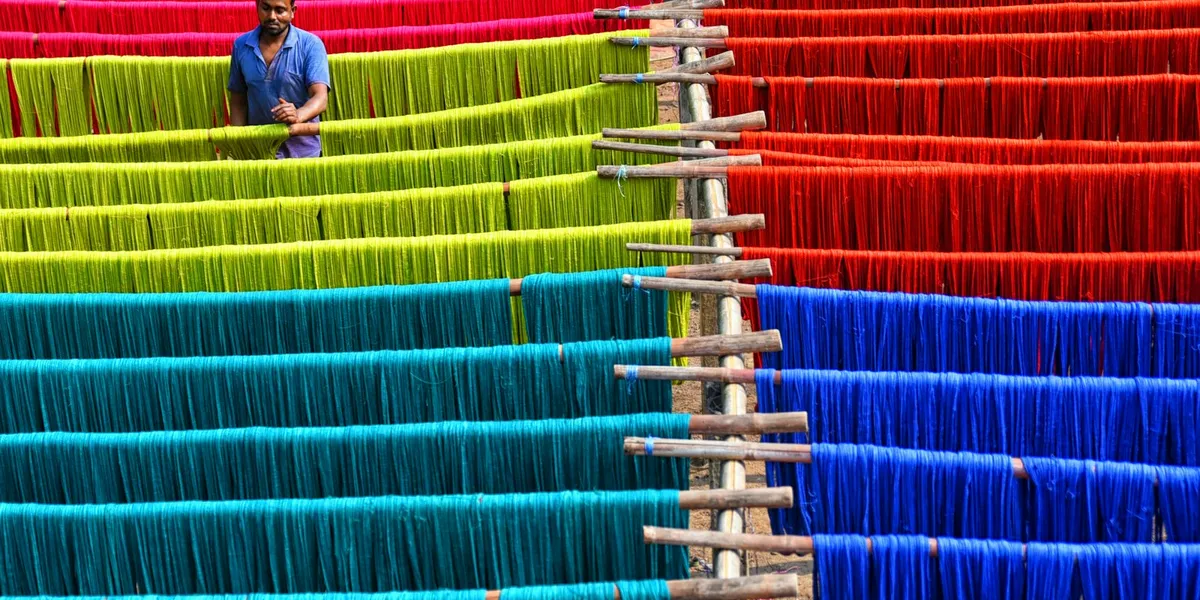
- Textiles and apparel — one of the world's largest exporters; cotton knits, denim, home textiles, embroidery and embellishment.
- Leather goods — footwear, bags, belts and jackets at strong price-quality ratios.
- Jewellery and gems — the world's diamond-cutting capital and a powerhouse in gold and fashion jewellery.
- Handicrafts and home décor — brassware, wood carving, ceramics, rugs and baskets.
- Pharmaceuticals and ayurvedic/personal-care products — the world's largest generic-drug producer.
- Spices, tea and food products — with mature export-grade processing.
- Auto components and engineering goods — a deep, certified supplier base feeding global OEMs.
Know the regional hubs
Like China, India clusters hard — going to the right city matters:
- Tirupur — cotton knitwear capital; t-shirts and casualwear.
- Surat — synthetic fabrics and saris; also diamond processing.
- Ludhiana — woollens and winter knits.
- Jaipur — gemstone jewellery, block-printed textiles, rugs and handicrafts.
- Moradabad — brass and metalware ("Brass City").
- Agra and Kanpur — leather footwear and goods.
- Panipat — home textiles and recycled yarn.
- Delhi NCR and Mumbai — export houses, buying offices and multi-category trading companies.
Finding and vetting suppliers
India has strong local B2B directories alongside the global platforms, and excellent trade fairs (IHGF Delhi Fair for handicrafts and décor, Heimtextil India, India International Garment Fair). Government export promotion councils — AEPC (apparel), CLE (leather), EPCH (handicrafts), GJEPC (gems and jewellery) — maintain member directories of registered exporters and are an underused vetting shortcut.
Verification works like anywhere: check the company on the Ministry of Corporate Affairs registry and confirm its Importer-Exporter Code (IEC); review GST registration; video-call the actual workshop. One India-specific note: the line between manufacturer, master-artisan network and export house is blurrier than in China — many excellent "manufacturers" coordinate networks of small workshops. That's fine, but it affects capacity, consistency and lead times, so understand the real production model behind the quote.
Communication, quality and timelines
English fluency makes day-to-day communication easy, and Indian suppliers are typically warm, flexible and relationship-driven. Two calibrations help: optimism bias in timelines is common — quoted lead times are best-case, so build buffer and tie payments to milestones; and craft production has natural variation — define acceptable tolerance ranges explicitly for handmade goods rather than expecting machine uniformity.
Inspect before shipment, exactly as you would anywhere. All major inspection firms operate across India. For artisanal products, mid-production checks catch drift early, when it's still fixable. Factor in the festival calendar: Diwali (October–November) slows production and logistics for a couple of weeks, with a pre-festival capacity crunch.
Logistics and export practicalities
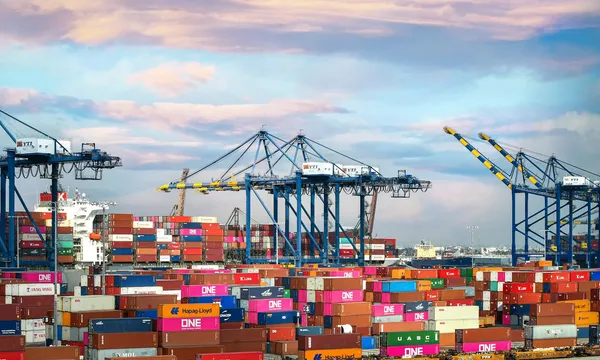
Main container gateways are Nhava Sheva (Mumbai), Mundra and Chennai, with good services to Europe, the Middle East and North America. Sea transit to Europe is typically 3–4 weeks; to the US East Coast 4–5 weeks. Your supplier needs an IEC and will provide the standard export documents; for duty-preference claims (e.g. developing-country GSP schemes where applicable), confirm certificate-of-origin paperwork before shipment.
India's export infrastructure has improved markedly, but inland transit from interior clusters to port can add days — agree cargo-ready-date plus port-handover timing in the contract, not just an "ex-factory" date. Suppliers.PRO's verified Indian supplier profiles will surface registration, certifications and real export experience up front. Sign up for early access.