Vietnam has moved from "China backup" to first-choice sourcing destination for entire categories — furniture, footwear, garments and increasingly electronics assembly. Competitive labour costs, an expanding trade-agreement network and heavy manufacturing investment make it attractive; a younger supplier ecosystem makes it different to work with. Here's what to know before you source from Vietnam.
Why Vietnam — and why it's not "cheap China"
Vietnam's appeal rests on more than labour rates: tariff advantages from an unusually rich set of trade agreements (CPTPP, the EU–Vietnam FTA, RCEP), political tailwinds as buyers diversify away from single-country risk, and genuine manufacturing depth built by two decades of foreign investment — Samsung, Nike, Adidas and IKEA all manufacture at scale there.
But Vietnam is not simply a cheaper China. The supplier base is smaller and younger, component supply chains are thinner (many inputs still come from China), MOQs are often higher because factories are tuned for large export programmes, and the long-tail of small flexible factories that makes China easy for small buyers is still developing. Go in with calibrated expectations.
What Vietnam makes best
- Furniture — the world's largest furniture exporter after China; wooden indoor furniture from the Binh Duong / Dong Nai cluster is a global benchmark.
- Footwear — second-largest exporter worldwide; athletic and casual shoes for the biggest global brands.
- Apparel and textiles — strong in outerwear, sportswear and woven garments; major hubs around Ho Chi Minh City and Hanoi.
- Electronics assembly — phones, audio, appliances and components, concentrated in the northern provinces around Hanoi and Hai Phong.
- Agricultural products — coffee (world #2), cashews, pepper, seafood.
- Plastics, bags and handicrafts — growing fast, often with attractive minimums.
Finding suppliers: directories are weaker, relationships matter more
The big Chinese B2B marketplaces have thin, often stale Vietnamese coverage, and listings skew toward trading companies. More productive channels: trade fairs (VIFA Expo for furniture, Global Sourcing Fair Vietnam, plus Vietnamese pavilions at Canton Fair and international shows); industry association directories (VASEP for seafood, VITAS for textiles, HAWA for furniture); local sourcing agents, who earn their commission in a market with less online transparency; and verified B2B directories that actually check registration — exactly the gap Suppliers.PRO is building to close.
Email response rates are lower than in China; a phone call, a Zalo/WhatsApp message or an introduction through a local contact often unlocks suppliers who ignore cold email.
MOQs, pricing and lead times
Expect MOQs noticeably higher than China for garments and footwear (factories are built around big-brand programmes), and lead times of 30–60 days for most categories — plus longer sampling cycles, since many materials are imported. Unit pricing typically lands 10–30% below comparable Chinese quotes for labour-intensive goods, but verify the landed cost: thinner local supply chains can mean pricier components and longer logistics.
Payment norms mirror China: 30% deposit, balance against shipping documents or passed inspection. The same payment-security rules apply — company bank account matching the registered name, no mid-transaction detail changes.
Quality control and working culture
Quality at the big export factories is excellent — they've been audited by the world's toughest brands for years. At smaller factories, quality systems can be less mature than the Chinese equivalent, so pre-shipment inspection is just as non-negotiable, and in-process checks are wise for first orders. All the major inspection firms (SGS, Intertek, TÜV, Bureau Veritas, QIMA) operate throughout Vietnam at standard rates.
Culturally, Vietnamese business style is relationship-oriented and conflict-averse: direct confrontation loses face and cooperation. Patient, polite persistence wins. Note the holiday calendar: Tet (Lunar New Year, January–February) closes factories for two weeks or more, with capacity crunches either side — exactly like Chinese New Year.
Logistics and the trade-agreement advantage
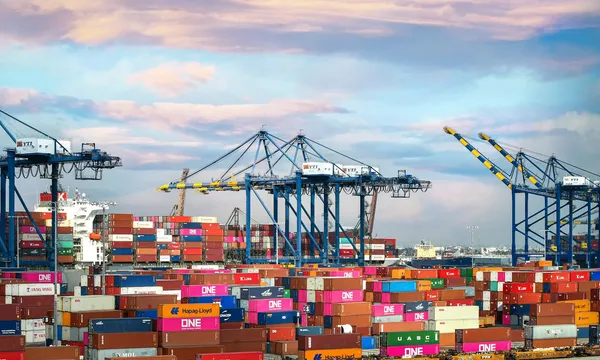
Main gateways are Cat Lai / Cai Mep ports for the south and Hai Phong for the north, with solid sailings to Europe and North America. The trade-agreement network is a genuine margin lever: the EU–Vietnam FTA is phasing most EU duties to zero, and CPTPP does the same for Canada, Japan, Australia and others — but only with a valid certificate of origin and sufficient local value-add. Confirm the rules-of-origin maths with your supplier early: a product assembled in Vietnam from mostly Chinese components may not qualify, which can change your whole costing.